
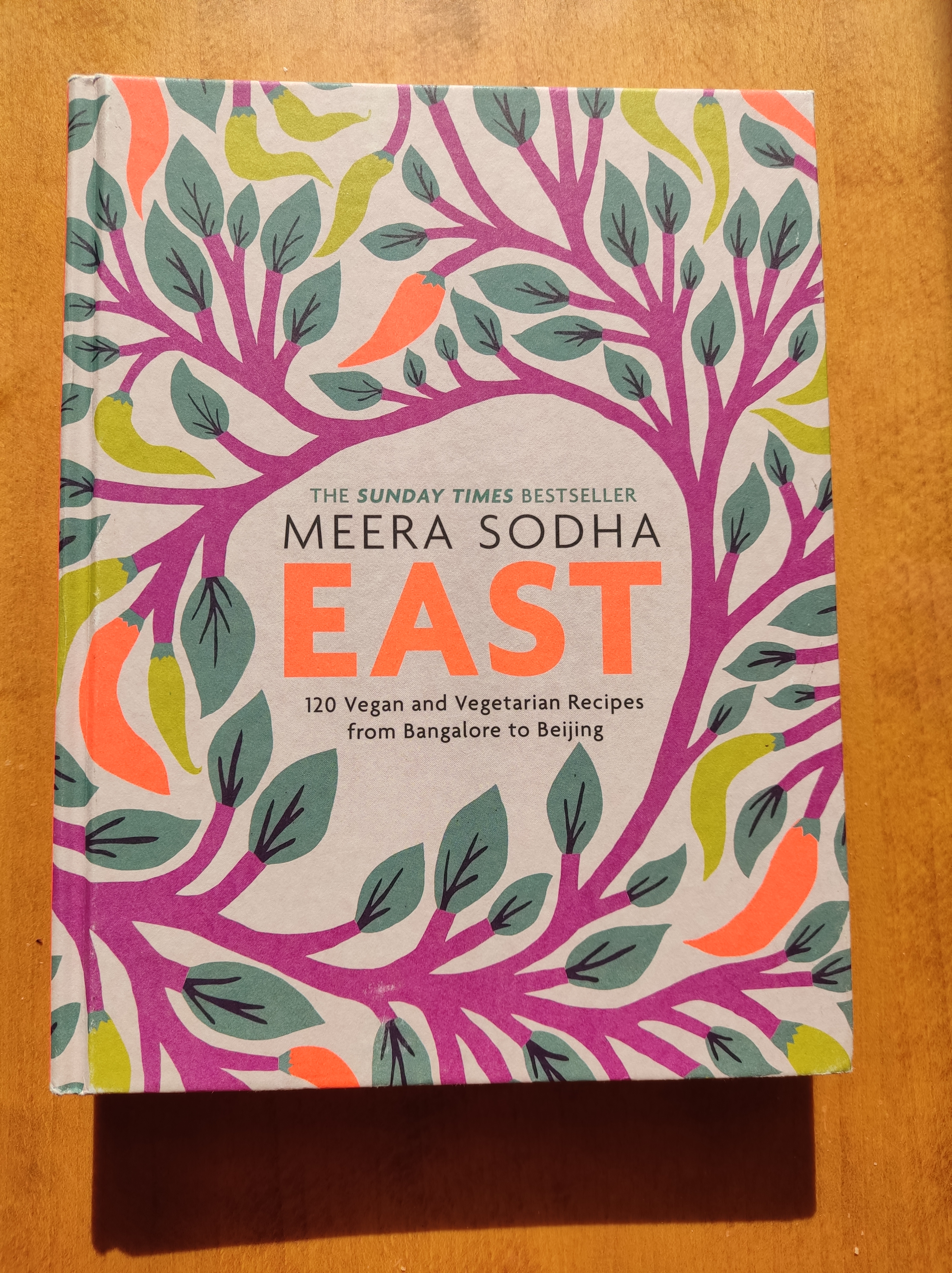
I don’t know how I used to make it through one cookbook every month! This year we have quite slowly worked our way through a lot of East by Meera Sodha, and I feel it deserves a blog post. I got this book for Dr HH for his birthday this year because he’s a big fan of Meera’s weekly vegan recipes in The Guardian and I thought it was about time we gave her some money for her good work. Sadly, this book is not fully vegan (it’s vegetarian), but a lot of the recipes are clearly labelled vegan and some others have a vegan option. The book is a real delight, and we’ve made really good use of it throughout the year. Here’s what we’ve made from each section.
Snacks and Small Things

Wild mushroom miso broth
I’m rarely wowed by a miso soup, but this was actually a good one. The mushrooms were fun and the spring onions were a good addition. The broth on its own was not amazing, it needed the additional bits for balance and interest. It produced quite a small portion, serving four only as a side. The taste improved overnight for me, but that’s possibly just because I portioned out the mushrooms poorly so the second day was more bountiful.

Sweet chilli cashews
These were quick and easy to make, though I didn’t get a very even coating. They’re perfectly pleasant, but they suffer a bit in comparison to some Nigella ones I have made a lot which use oil to ensure a better coating, plus rosemary and garam masala for more flavour.
Onigiri
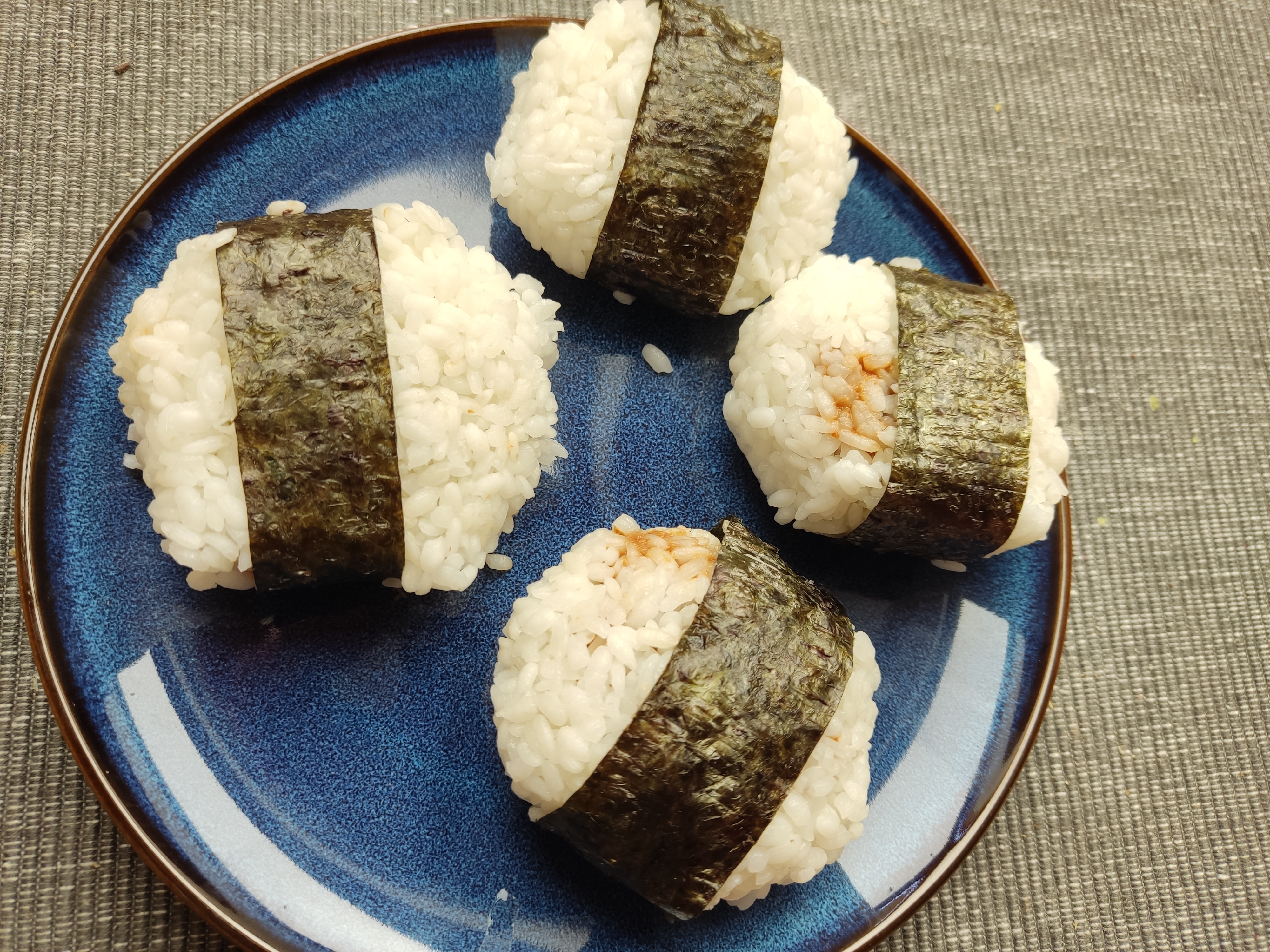
This recipe was not too reliable for me. It didn’t call for the rice to be cooled before forming, which seems essential, or for the rice to be seasoned, so it was lacking in flavour. The paste was hard to make in my blender without adding water. It was also quite sweet, so I added more miso and salt to make it more savoury. The rice helped neutralise it too. The overall taste wasn’t quite for me, but Dr HH was a bigger fan.
Salads
Tomato ponzu salad
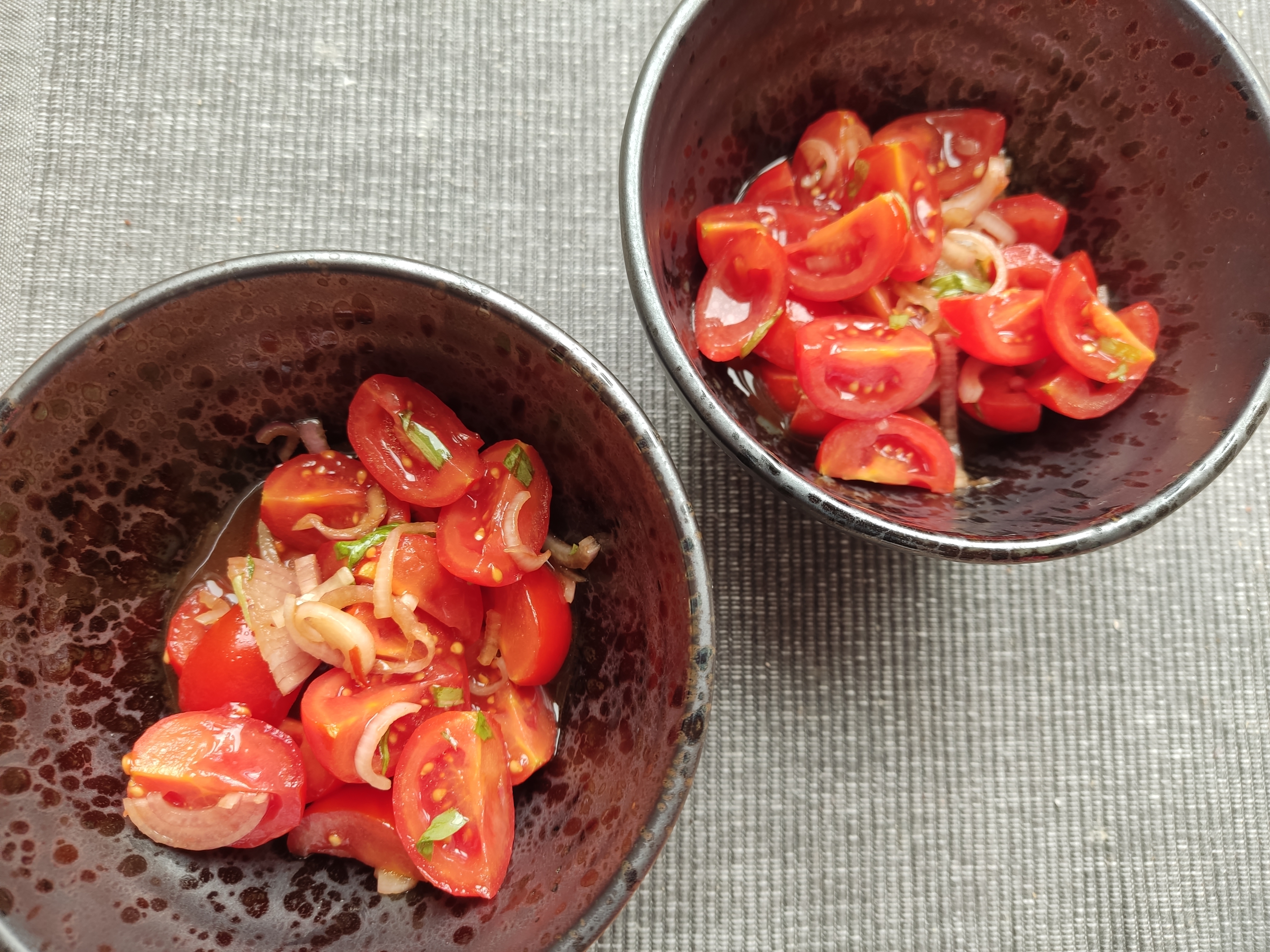
This was a simple and effective salad that I served alongside the onigiri. The citrus flavour wasn’t too heavy but there was a nice sharpness. The predominant flavour was sesame, which I loved. I’d definitely have this again.

Burmese mango salad with peanut and lime
I loved the flavours in this, but found the dressing was so abundant that it made the salad a bit soft. I added some fried tofu for protein so this would work as a standalone lunch.
Noodles
White miso ramen with tofu and asparagus
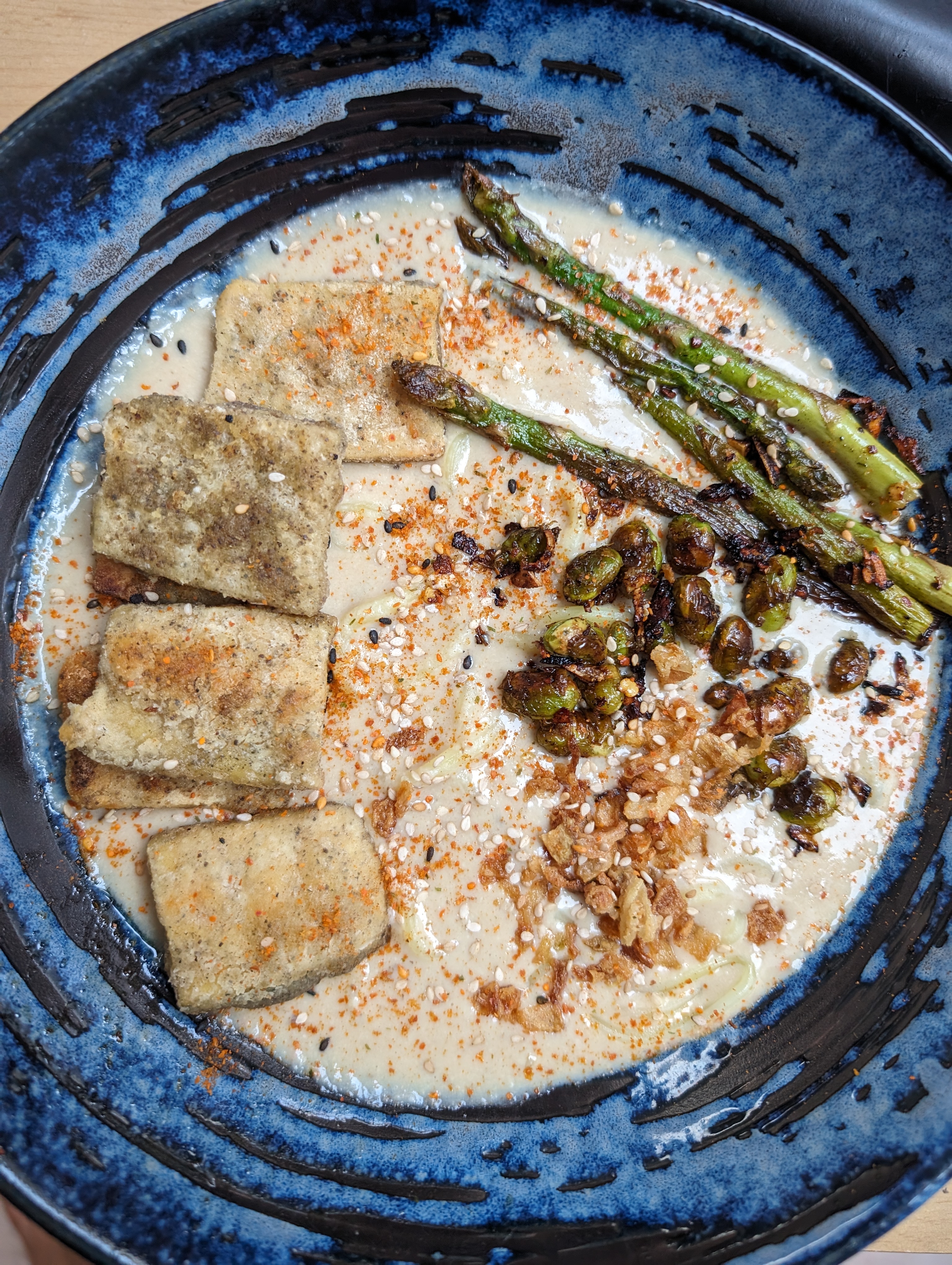
This caught Dr HH’s eye because it was ramen (obviously) and because we had recently tried the dish that this recipe was based on. The soy milk broth was thick and delicious, although he made the mistake of not buying unsweetened soy milk (it still didn’t taste too sweet, in my opinion). The asparagus and edamame added some nice textures and are certainly better than whole boiled bok choi. The tofu on top is not in the original recipe, this was Dr HH’s own pretty standard tofu where he coats it in cornflour and black salt before frying it.

Caramelised onion and chilli ramen
I worried this would be too sweet, but it was not – we both really enjoyed it. I added some fried tofu as it was a bit light on toppings and protein (you may notice that adding tofu is a common theme for us, always trying to fend off the “but where do you get your protein?” crew). I also added a runny cashew egg (the recipe calls for an actual egg), which really enriched the broth. I feared the broth would be too sweet and European, but the Japanese flavours added at the end did come through and the egg helped with the savoury taste. The silky pieces of onion were excellent.

Ben Ben noodles
Shiitakes are quite expensive in Prague, so I used a mix of shiitake and chestnut mushrooms, but it made such a small portion I had to add tempeh. (I’ve read that the ‘meat’ on top is supposed to be more of a garnish than anything, but I can’t serve so light a portion!) I could not get the mixture to crisp up, so the texture was definitely not right. It was good, even though the Sichuan pepper flavour didn’t really come through as strongly as I’d hoped. It felt very savoury and umami. I’ve never had the dish before, so I’m not sure how successful it was.
Curries

Leek, mushroom and kale subji
Dr HH made this without the kale. It was pretty easy to put together and he found it good without being spectacular. I was a bigger fan, as this is quite an unusual combination of ingredients for us and I enjoyed the novelty of it.

Aubergine katsu curry with pickled radishes
What a treat! The curry sauce was quite thick and tasted authentic to us. Dr HH’s go-to katsu curry recipe is one of Tim Anderson’s, and it was interesting that the two recipes are quite different but produce the same excellent taste. The pickles were a great addition. I needed to use less panko than recommended for coating the aubergines, which were nice and soft. The second time I made it, I used tofu instead of aubergine, and it also worked perfectly.
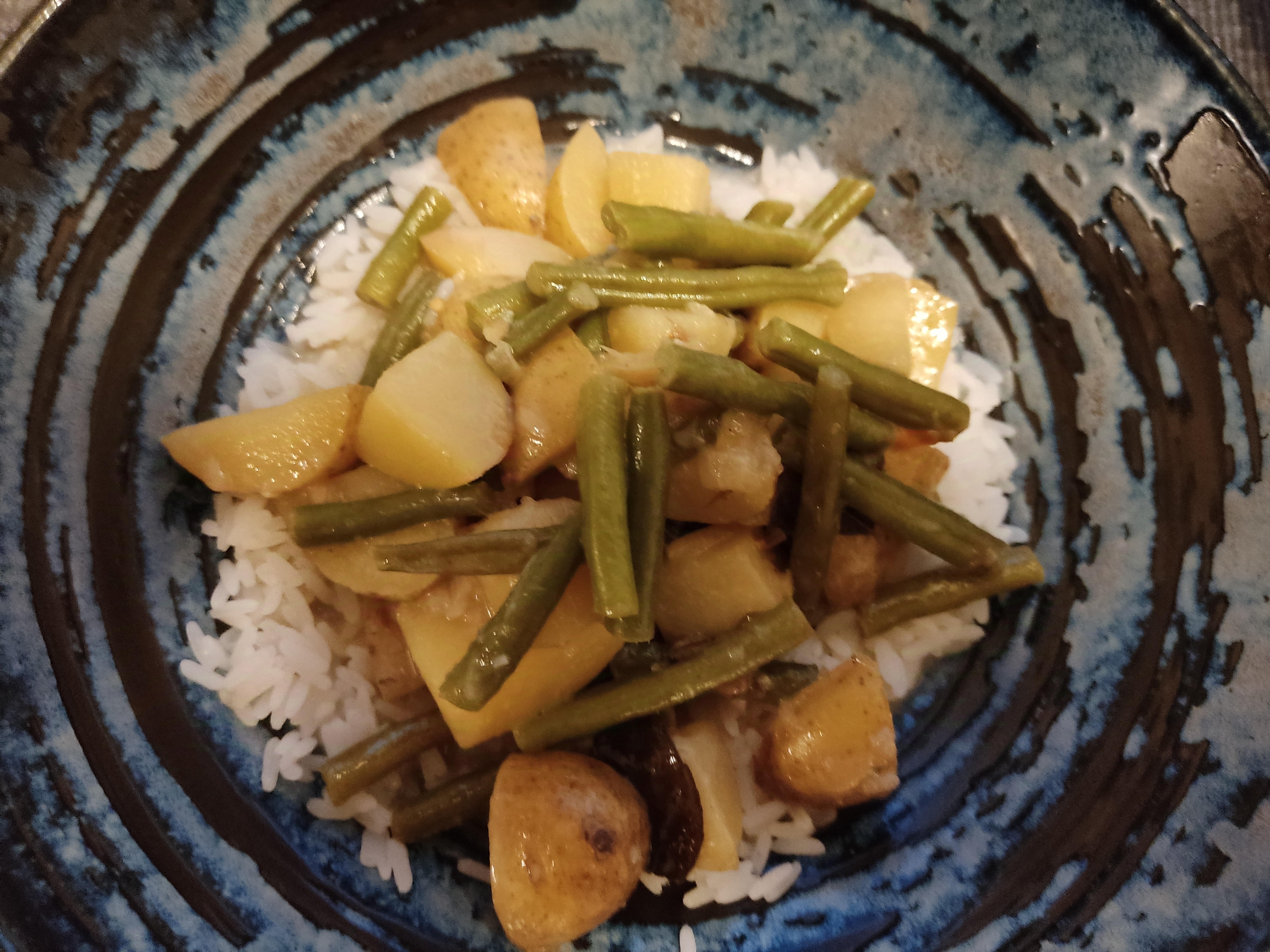
Jersey royal and green bean istoo
I thought this was a nice simple curry, because I love potatoes and it is absolutely packed with them. Dr HH found it a bit underwhelming and disappointing, because there was no real sauce – just a very thin, coconut milk-based sauce with was immediately absorbed by the rice when I served it. I probably won’t be making this one again, but I still recommend the recipe if your household is a bigger fan of this kind of curry.
Rice

Coconut rice with aubergine and pickled cucumber
Dr HH made this one. When he tried the individual elements here he wasn’t too sure about it, but it worked as a whole dish. The pickled cucumber added a nice burst of sharpness, freshness, and a bit of crunch (enhanced by the peanuts too). The aubergines were lovely and soft and well seasoned. We don’t remember a lot about the coconut rice but we think it was nice change to just regular rice.

Congee
The recipe calls for black venus rice, which is something you cannot get in Prague. I read that it’s a bit similar to arborio rice, so I got that instead, which makes a less dramatic looking dish than Meera’s, certainly. The first night I served it, I didn’t let it cook as long as necessary, so it was basically a mushroom risotto, which was perfectly passable. The second night I cooked it down longer, and the texture was more congee-like, but that made me miss the bite of the rice. It felt like overcooked rice, just a bowl of mush! The pickles were fun, and I served it with a tofu dish (more on that below) which brought some more flavour, but unless I can find the correct rice, I won’t be trying this one again. It’s possible that I am just not a congee fan.

Aubergine larb with sticky rice and a shallot and peanut salad
This was sensational, one of my favourites from the book! I’d never had larb before, so I wasn’t totally sure what to expect. The aubergines were cooked to perfection, so soft and melting away. The sticky larb dressing was sour from tamarind, it was delicious. The shallot and peanut salad across the top was amazing – I would double the amount of it next time though, it felt a bit of a light portion.
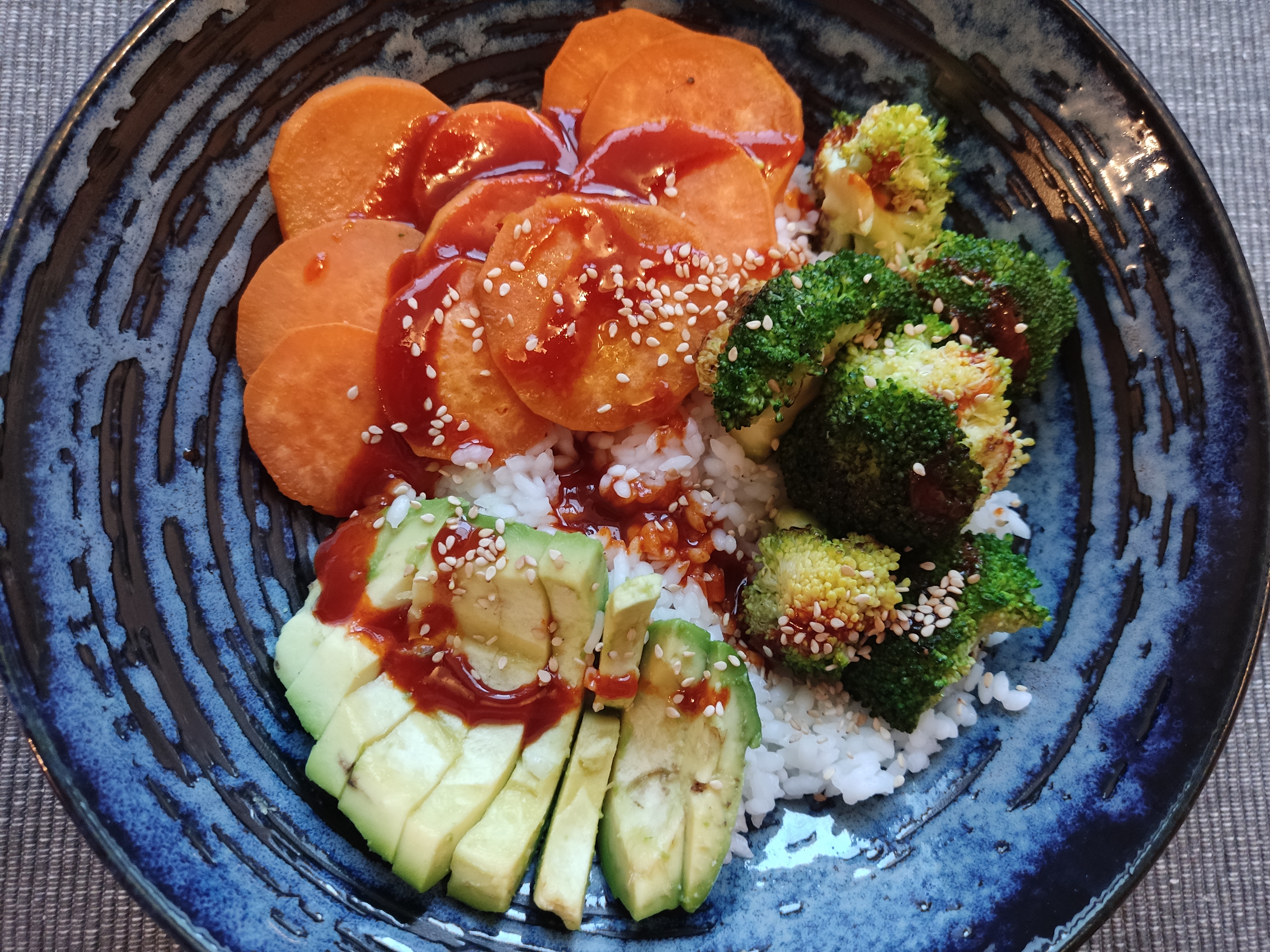
Sweet potato and tenderstem bibimbap
This one is not listed as veganisable, because no alternative is available for the fried egg that this is supposed to be served with. I decided just to skip the egg. It was a bit underwhelming, unfortunately. The sauce was fiery and tasty, and the seasoning on the vegetables was pretty good, but it still just felt like a fairly boring bowl. It’s not the kind of dish that ever really dazzles me, to be fair.
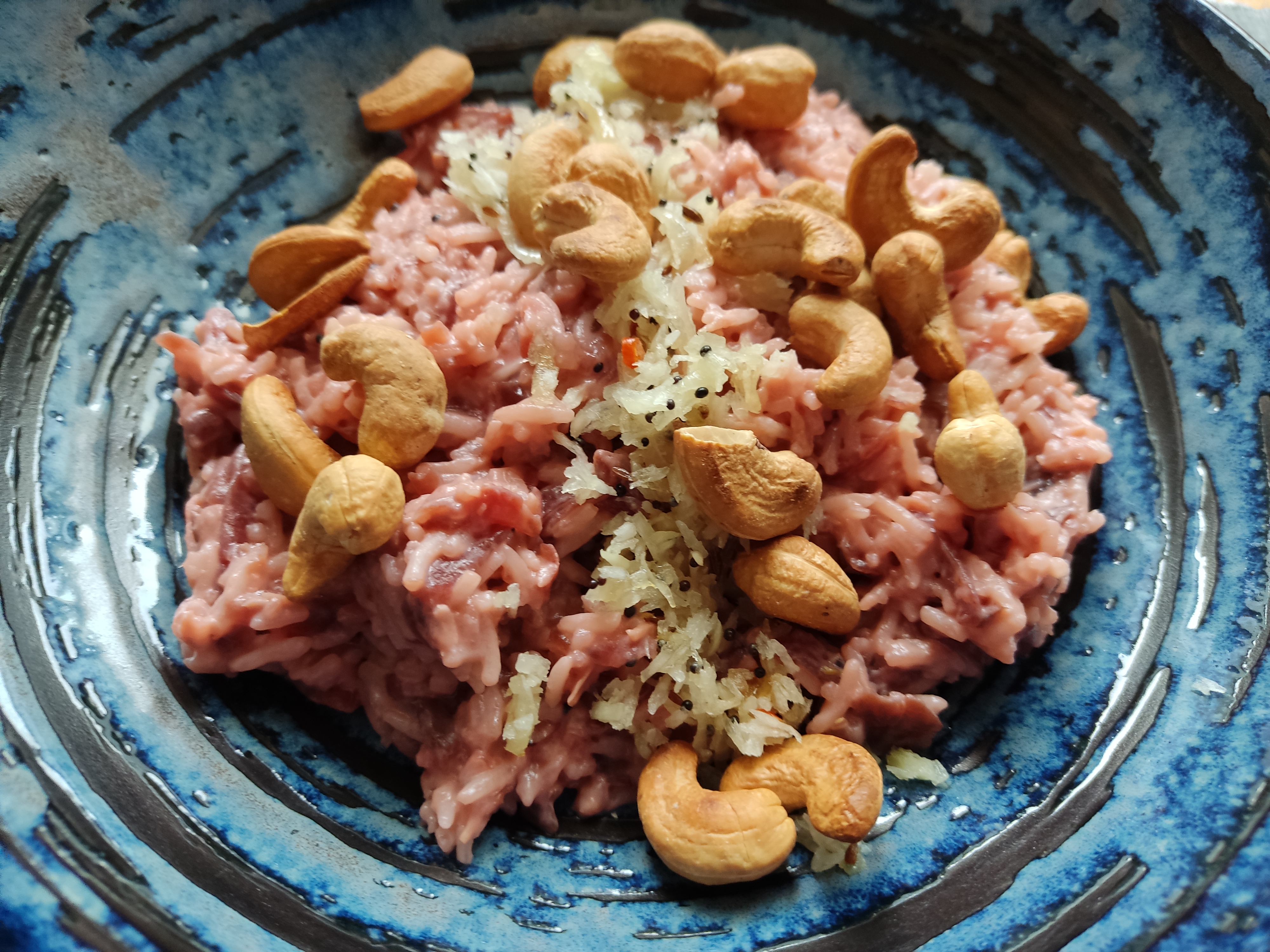
Beetroot and yoghurt rice
I had a pot of yoghurt to use up, so I decided to give this recipe a try even though I’m not crazy about beetroot or rice dishes. Surprisingly, it exceeded my expectations! The sweetness of the beetroot was balanced out by the seasoning. The spicy coconut across the top was a really fun addition, and the cashews added some nice texture. This was easy to make, and very good.
Tofu

Tempeh with pak choi and tomato sambal
I had to cook the tempeh for longer than recommended to get a good colour on it, and I’m glad I persevered. It ended up with a nice crunch at the edges. The sambal was really tasty too. I’m a big fan of tempeh, so I will certainly make this again.
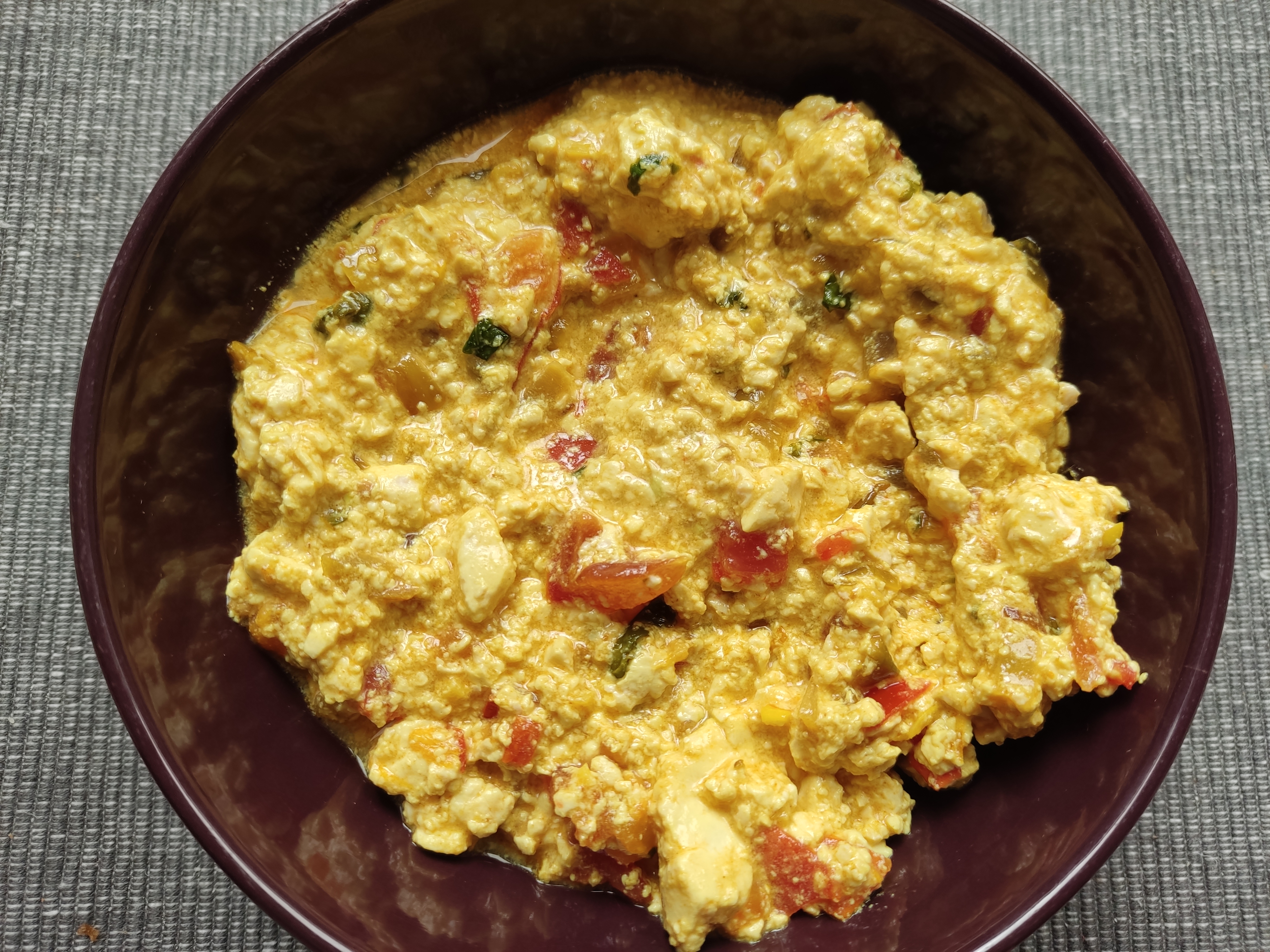
Akuri scramble
This won’t be replacing my regular tofu scramble recipe any time soon. The silken tofu was fun and slippery, but I think I might actually prefer a bit of texture in my scramble, as you get from firmer tofu. The seasoning was a bit bland as well, unfortunately, I would double everything in the future.
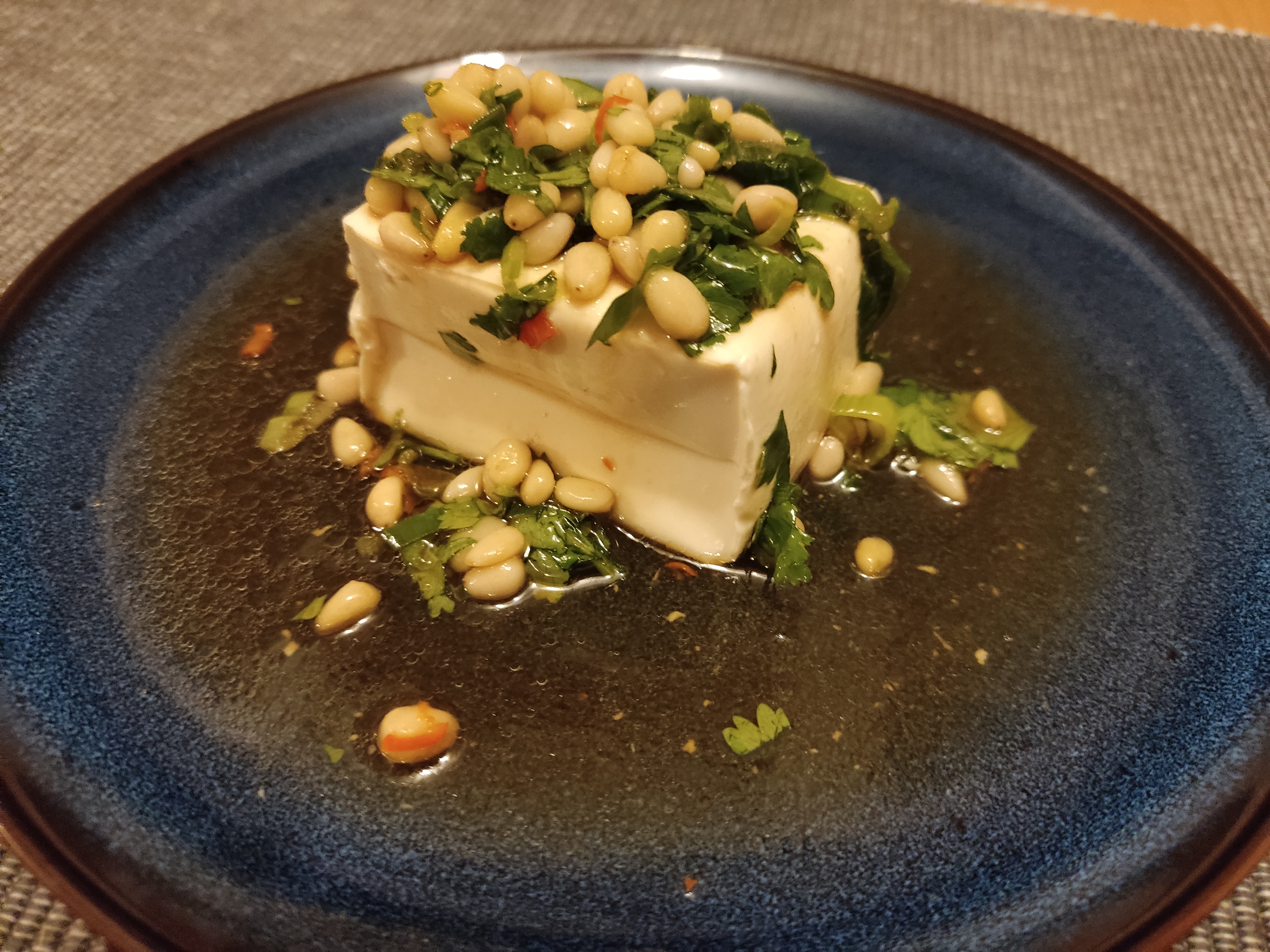
Silken tofu with pine nuts
This was tasty! Again, I loved the slippery texture of the silken tofu. The dressing packed a lot of flavour. We didn’t have pickled chillies so I made do with a fresh one, and it tasted fine. We served this as a side along with the congee, and it added some really good flavour to that dish. We’re big tofu fans, as you can see, so we’ll certainly have this again.
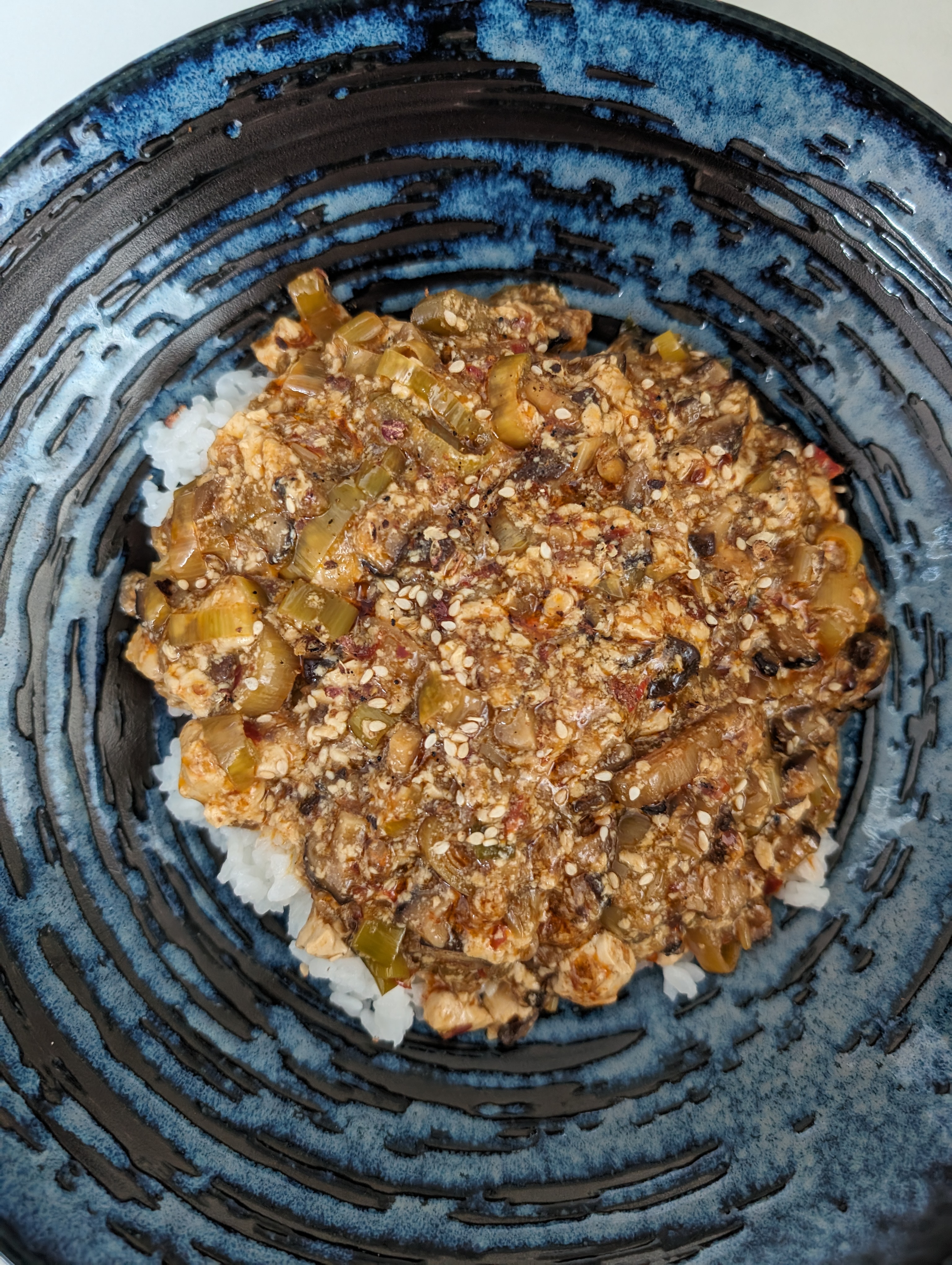
Mushroom mapo tofu
Dr HH made it first following the recipe more or less – he just used silken tofu instead of regular firm tofu, to replicate versions of the dish he’s tried before. He added it at the early stage suggested in the recipe, and it swiftly fell apart long before making it to the table. We enjoyed the diced shiitakes as the mince element, but obviously it requires a lot of chopping time.
I have made it twice since, using vegan mince instead of mushroom and sticking with the silken tofu upgrade but adding it later in the process. It is so tasty! In the book, Meera refers to eating this every week in her household, and I do not blame her!

Chilli tofu
Dr HH made this recipe, which Meera has adapted from a paneer dish. The sauce was great, with tomatoes, chillies, and peppers with lots of seasoning. It made for a delicious plate of food. Poor Dr HH sadly only got to eat one portion as he cooked it just before having some dental work done that left him unable to eat solid food for a few days. Fortunately, he had reined in the suggested amount of chillies to make it suitable for me to enjoy solo!
Flour & Eggs

Kimchi pancakes with a spinach salad
The first time I made these, I served us one each as a side dish alongside the bibimbap described above. Despite how small they look in Meera’s photo in the book, they are actually supposed to be 15cm wide, so they are quite large and made for much too big a meal as a side. We’ve now switched to having two each as a main meal, and that feels perfect. I am not a big kimchi enthusiast, but these might just have converted me. They are amazing! The other ingredients in the pancake (tofu, spring onion, bean sprouts) are so neutral that they help to keep the kimchi in balance. The dipping sauce is flavoursome, even the salad is quite refreshing. These are becoming a regular fixture for us!

Aloo paratha
These breads were delicious and relatively easy to make. Dr HH is the breadmaker in our family, so he handled this one. In the past, he has always cooked the tempering for the potato filling, but here he followed Meera’s guidelines and threw the onions and spices in as they were without cooking. After adding flour to the seasoned potato filling, it all came together quickly and easily. He did of course fry them in vegan butter rather than the recommended oil. They were really tasty, and it seemed like one of his least stressful attempts at making this dish, so I think this may be a winning recipe.
Pulses
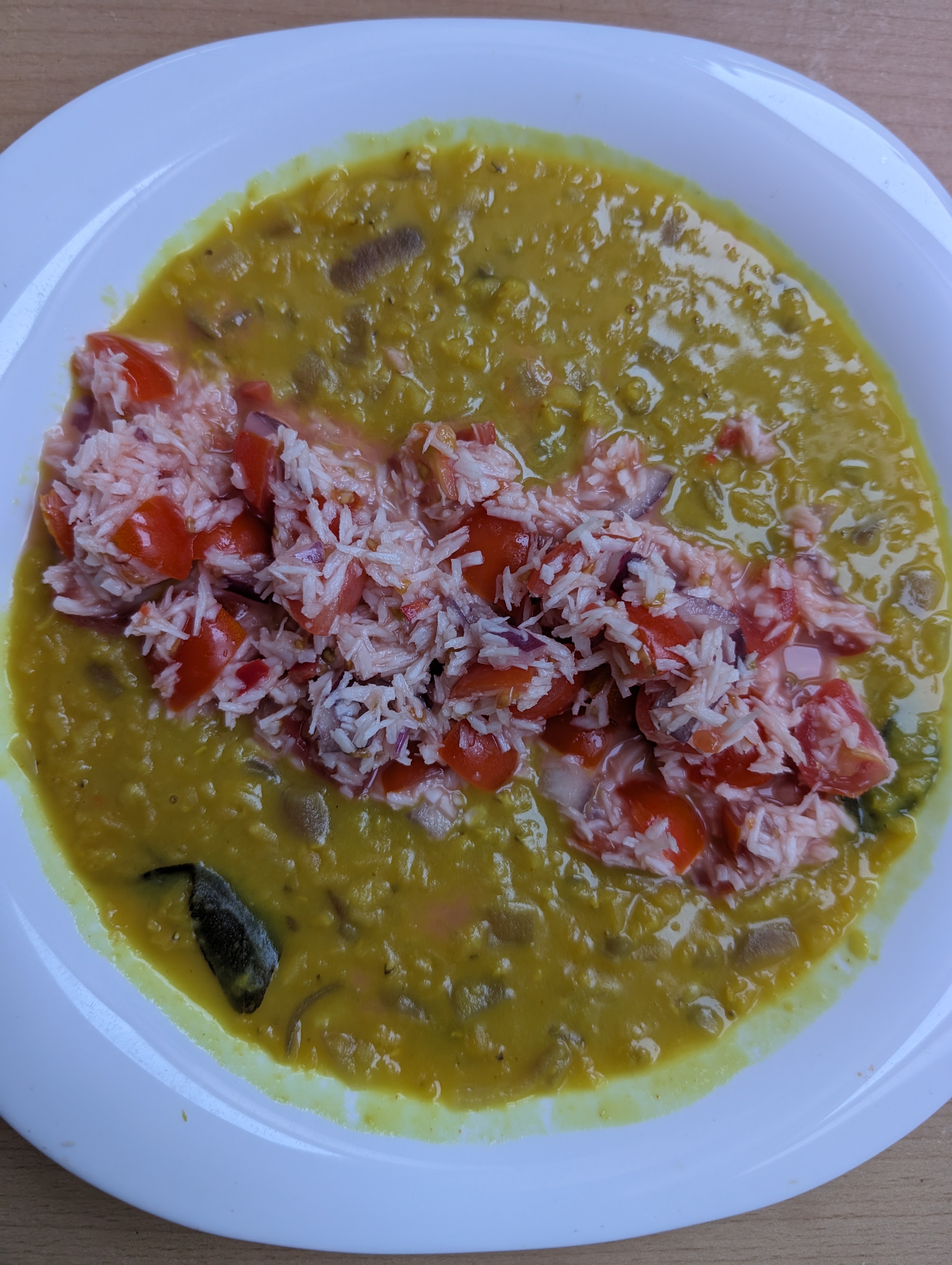
Quick coconut dal with tomato sambol
Quick was definitely an apt description for this dish, tackled by Dr HH. This dal came together quickly and still delivered plenty of flavour. The coconut and tomato sambol was delicious, it added some good textures and some freshness and zing from the citrus in it.
Sides
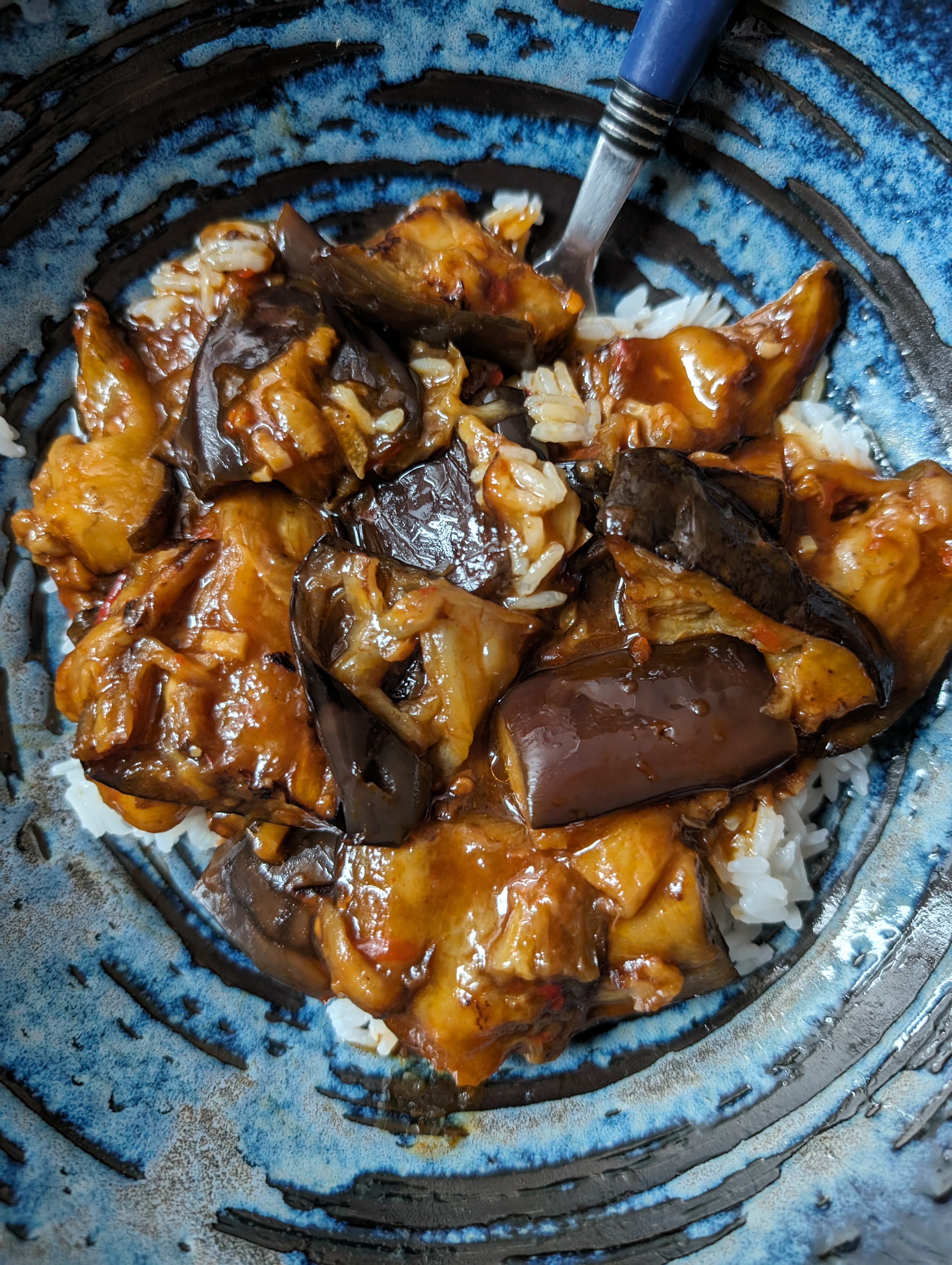
Sichuan aubergines
These aubergines contained plenty of the delicious ingredients that go into mapo tofu, so Dr HH was powerless to resist trying it. The aubergines were fried in a good amount of oil to make them delicious. They were definitely on the spicy side. He served them with some short grain rice to make it a whole meal rather than just a side.
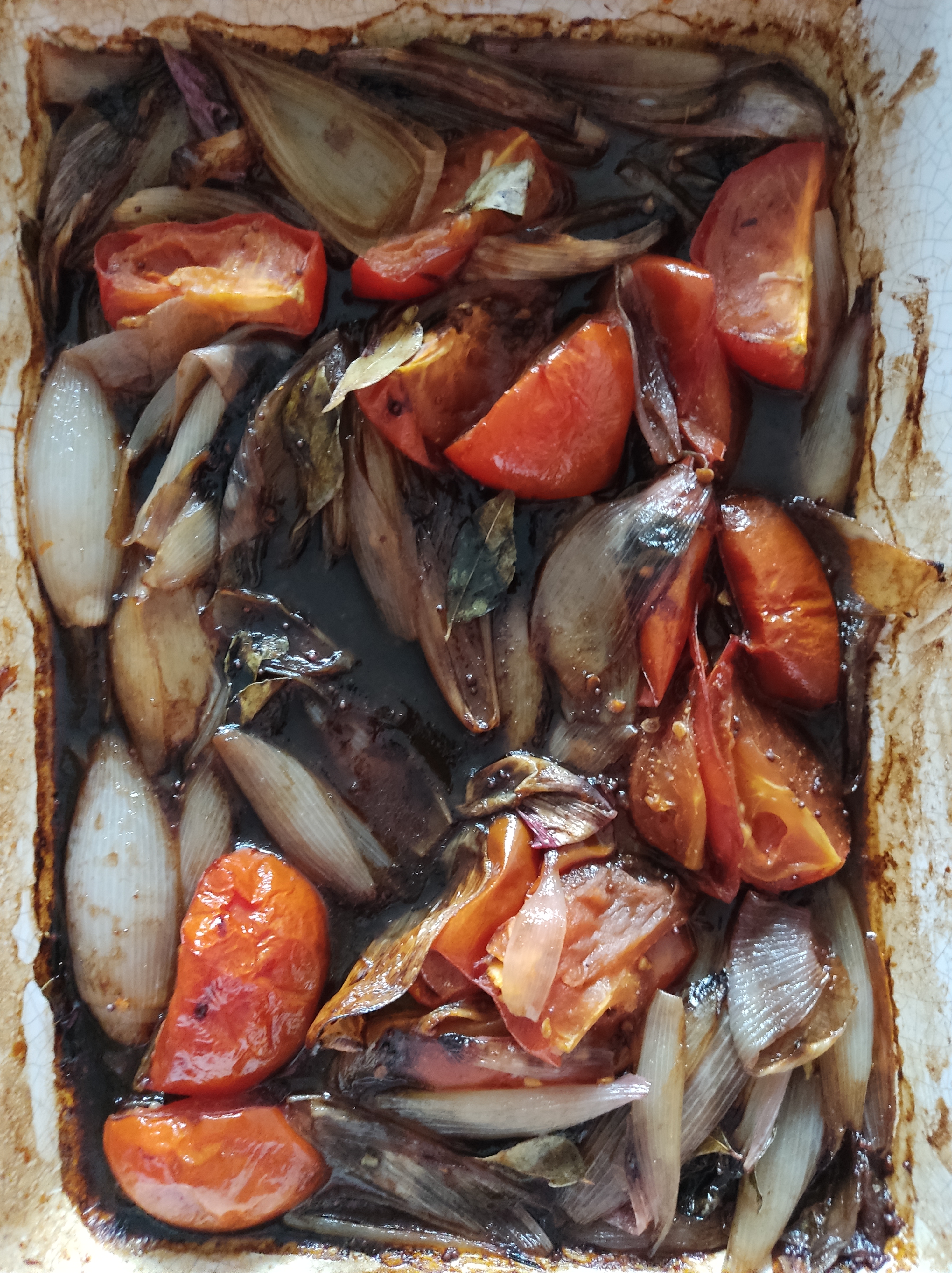
Tamarind shallots
This was a tangy and tasty side dish, which I served with the potato curry as suggested by Meera. We were both more impressed with these shallots than with the curry, so that’s probably a good sign.
Sweet

Salted miso brownies
These brownies ended up not quite as salty or miso-y as I’d hoped, but it’s always quite a fine line adding a strong or savoury flavour to a dessert, isn’t it? They also ended up with a far too oily texture – I’m not sure if the amount of coconut oil listed in the recipe is just wrong, or if the use of chia seeds as an egg replacer factored in somehow – I’ve never used them before and it had a really weird slimy texture. I had to throw these away because they were so oily they were just inedible. Not recommended!

Banana Tarte Tatin
This was my first ever attempt at a tarte tatin! My tin was small, so I used half the amount of pastry and banana…but I panicked and used the full amount of caramel, which resulted in a big caramel flood. It was nice, the spices were quite subtle but definitely there to elevate it. On the second day it was slightly too bitter for me when we reheated it, but Dr HH was still happy with it.

Doriyaki Pancakes
This one is not listed as veganisable, but I was intrigued enough to try it anyway. I followed the pancake recipe as provided, but instead of the eggs I used 70g of silken tofu and blended it with the (plant-based) milk – based on a vegan recipe I’d found online. I needed to add more milk to thin the batter, but otherwise this was an easy switch. The pancakes were very sweet and very pleasant. I followed the blueberry cream recipe exactly as provided, just with vegan mascarpone. It was delicious, but it was in no way the thick spread shown in Meera’s photo – the cream just oozed out onto the plate. It was very tasty, but not at all the correct dish in the end. Maybe vegan mascarpone has a very different texture to the dairy version and scuppered the recipe? Perhaps that’s the reason Meera didn’t try to veganise it!
Conclusion
We really love this book and will be continuing to make good use of it! Even though it’s not fully vegan, we still definitely got our money’s worth from it. Some special ingredients are required in places. We already had quite a lot of Indian and Japanese ingredients, but still had to make a few trips to Asian supermarkets to make sure we had the right seasonings and sauces. The dishes are really flavoursome, and there are plenty of every day dishes that don’t exhaust you to cook, which is great. Definitely recommended!

 Herbivores' Heaven
Man I miss making lots of recipes from a cookbook for reviews. *sigh*
You made a lot of yummy dishes from here. My library has this book so I placed a hold on it, maybe try some of your recommendations.
That bibimbap does look a little sad. It needs more! Like a side of tofu, and at least two kinds of kimchi. Or I bet that tofu scramble would be a good sub for the egg.
Lovely recipes!